
21st Century ROAD to Housing Act – Opportunities for Municipalities
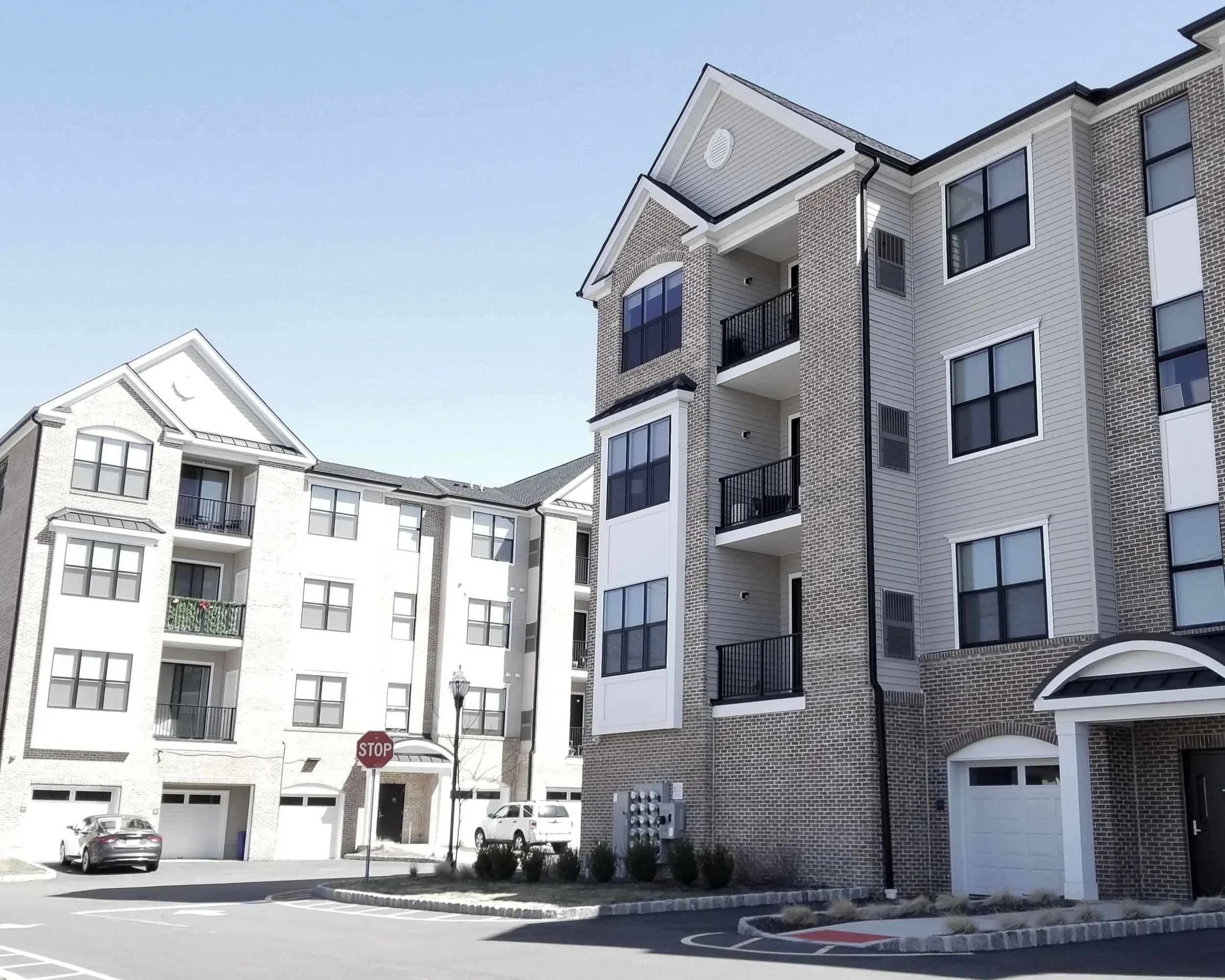
After clearing both chambers of Congress with overwhelming bipartisan support, the landmark 21st Century ROAD to Housing Act was automatically signed into law at 12:00AM Saturday morning after the presidential review period expired without a signature or veto. The legislation aims to alleviate the housing affordability crisis pressing households nationwide as municipalities and developers continue to struggle to produce enough new units to meet demand. While these measures involve sweeping federal reforms, including banning corporate entities from buying more than 350 single-family homes, they also represent significant change at the local planning level. The following are just a few highlights of the newly established grants and programs available to eligible municipalities and regional planning organizations.
1. Revitalizing Empty Structures Into Desirable Environments (RESIDE) Act.
The RESIDE Act establishes a pilot program to assist local governments in converting dilapidated or obsolete industrial and commercial properties into affordable housing units. The program will operate during fiscal years 2027 through 2031 and prioritize projects located in economically distressed areas or Opportunity Zones. Eligible municipalities can receive grants ranging from $1 million to $10 million and may allocate funds for property acquisition, demolition, construction, health hazard remediation, or the establishment of community land trusts. In short, the RESIDE Act opens a new path for municipalities to redevelop underutilized land, revitalize their communities, and expand the supply of affordable housing in one fell swoop.
2. The Innovation Fund.
The Innovation Fund is a competitive, flexible grant program that rewards local jurisdictions that have achieved measurable success in expanding housing supply and reducing costs. Importantly, the bill defines success through the creation of ‘attainable housing’—housing in which the majority of units are affordable to households earning no more than 60 percent of the area median income. Grants will be evenly distributed between rural, suburban, and urban communities, and can be used to carry out initiatives that further expand attainable housing supply.
3. Grants for planning and implementation associated with affordable housing.
States, municipalities, and regional planning agencies are eligible to receive funds for the development of housing plans, improvement of local housing strategies, updates to zoning codes, increases in access to public transportation, and advancement of sustainable community development goals.
4. Accelerating Home Building Act
Under this act, local governments and regional planning bodies are eligible for grants that would fund the creation of a list of pre-reviewed housing designs. These lists will consist of mixed-income housing plans compliant with local zoning ordinances and building standards. The creation of a ‘bank’ of pre-approved housing designs will streamline and expedite the approval process, as well as lower the cost of future housing construction
5. Unlocking Housing Supply Through Streamlined and Modernized Reviews Act
This act streamlines the environmental review process for federally funded housing activities under the Department of Housing and Urban Development (HUD) by expanding the coverage of categorical exclusions under the National Environmental Policy Act (NEPA). The legislation exempts certain small-scale construction, rehabilitation, and infill development provided they meet specific conditions limiting their environmental impact. Reducing the scope of environmental review will help to expedite the construction process while reducing overall development costs, potentially translating into lower prices for prospective homebuyers.
6. Guidelines and Models for Reform
Aside from financial incentives and assistance, the overarching goal of the ROAD Act is to establish model codes for zoning and land use reform. The Act stipulates that the Assistant Secretary is to publish guidelines outlining best practices for community types (rural, suburban, and urban) to meet its own unique housing needs. A task force consisting of planners, architects, community engagement experts, transit agencies, and developers—including those with a focus on affordable housing—will help determine these guidelines with respect to state and local zoning frameworks. Key focuses will include the reduction or elimination of parking minimums, streamlining environmental review, and increasing maximum FARs. Critically, these recommendations will differentiate between the best practices for rural, suburban, and urban communities, ensuring different municipalities enjoy balanced and sustainable growth. The legislation does not erode local control over planning or contain any mandates; it simply creates new incentives and resources to support the creation of ‘missing middle’ housing.
Takeaways
The 21st Century ROAD to Housing Act opens new channels for funding and establishes vital supporting frameworks to accelerate the expansion of attainable housing supply. While it undoubtably signals federal support for housing development, much of the responsibility for addressing the affordability crisis still lies with municipal governments and regional planning entities. Their next steps—whether they be through zoning reform, updating housing strategies, or redefining master plan principles—will determine how effectively these new federal resources lead to the creation of new housing opportunities.
Questions about how your community can take advantage of opportunities in the ROAD Act? Contact us: info@phillipspreiss.com
Written by Matthew Norris, Phillips Preiss 2026.
“Phillips Preiss does not make any assurances related to the information in this post. Details may be verified independently.”